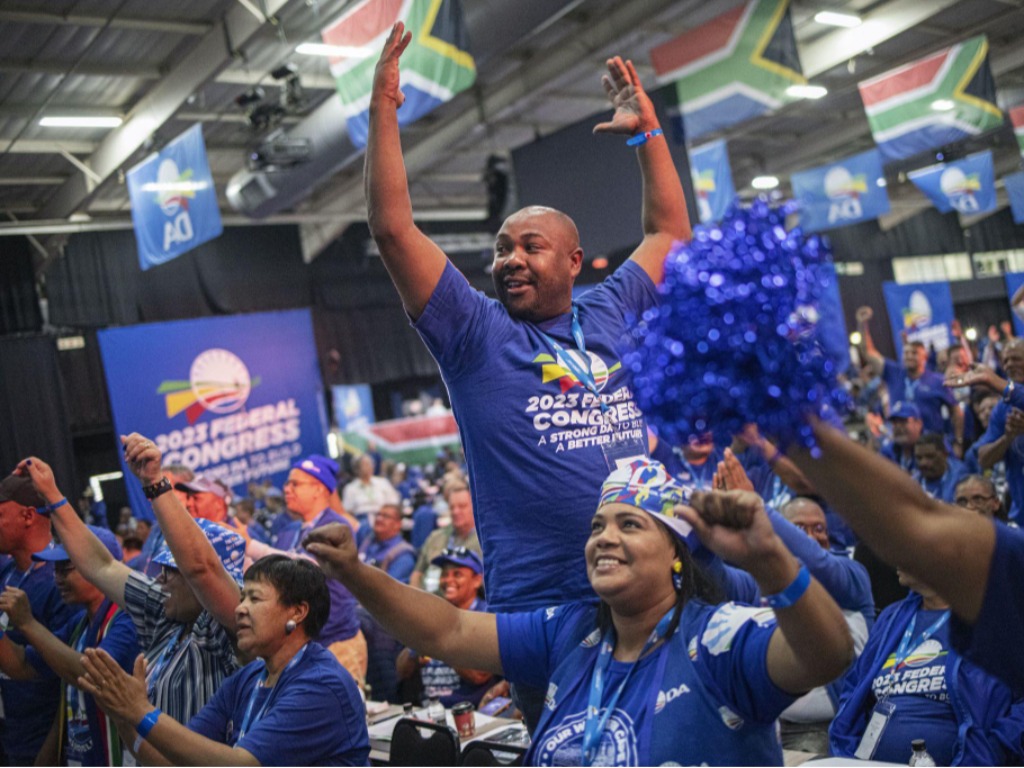
South Africa’s political landscape has just taken a decisive turn. The election of Geordin Hill-Lewis as Federal Leader of the Democratic Alliance is more than a routine leadership change—it’s a signal of generational transition, strategic repositioning, and a party preparing for power in a way we haven’t seen before.
Why This Moment Matters
For years, the DA has walked a careful line: a strong opposition voice, yet often perceived as distant from national leadership viability. Hill-Lewis changes that equation.
Unlike many before him, he brings executive governance credibility from day one. His tenure leading Cape Town—widely regarded as the best-run metro in the country—gives him a practical platform few national leaders can claim.
But this isn’t just about performance metrics. It’s about perception. And perception, in politics, is everything.
Not Just a Leader — A Positioning Strategy
Hill-Lewis’ election signals a deliberate repositioning of the DA:
- From opposition to government-in-waiting
- From policy-heavy messaging to delivery-focused leadership
- From reactive politics to proactive national ambition
This is a leader who understands that South Africans are no longer only asking, “Who can hold power accountable?” but increasingly, “Who can actually run the country?”
The Coalition Reality No One Can Ignore
Let’s be clear: South Africa has entered its coalition era.
The DA’s involvement in national governance alongside the ANC—once unthinkable—has redefined political dynamics. For Hill-Lewis, this presents both risk and opportunity.
- Risk, because coalition compromises can dilute identity
- Opportunity, because it offers a proving ground for national leadership
The real test will be whether he can balance cooperation without losing the DA’s distinct voice.
What Sets Hill-Lewis Apart
This leadership shift isn’t just about age—it’s about mindset.
Hill-Lewis represents:
- A data-driven approach to governance
- A focus on infrastructure, service delivery, and economic growth
- A more pragmatic, less ideological tone
In many ways, he mirrors a global trend: younger leaders who prioritise execution over rhetoric.
The Real Challenge: Winning Trust Beyond Strongholds
The DA’s biggest hurdle has never been governance—it’s been broad national trust.
To truly transform the party into a governing force, Hill-Lewis will need to:
- Expand support into townships and rural communities
- Address perceptions around inclusivity and representation
- Speak to the economic realities of the majority, not just policy frameworks
This is where elections are won—or lost.
Why This Is Different (And Why People Are Paying Attention)
Previous leadership changes in the DA have felt internal. This one feels national.
There’s a growing sense that:
- The political status quo is shifting
- Voters are more open to alternatives than ever before
- Leadership credibility now matters more than struggle history
Hill-Lewis steps into this moment with momentum—but momentum alone doesn’t win elections.
Final Thought: A Defining Opportunity
This isn’t just a leadership appointment—it’s a defining opportunity for both the DA and South Africa.
If Hill-Lewis can translate municipal success into national relevance, he could reshape the country’s political future. If not, this moment will be remembered as another near-miss in the DA’s long road to power.
Either way, one thing is certain:
The next chapter of South African politics has already begun.